
The Streaming Economy’s Hollow Promise
The digital revolution promised to democratize art creation and distribution, yet the reality for most independent artists tells a starkly different story. Musicians on major streaming platforms find themselves caught in an economic paradox where global reach comes at the cost of financial viability. Most artists earn less than $500 annually from these platforms. That barely covers the cost of mixing a single track, let alone sustaining a creative practice.
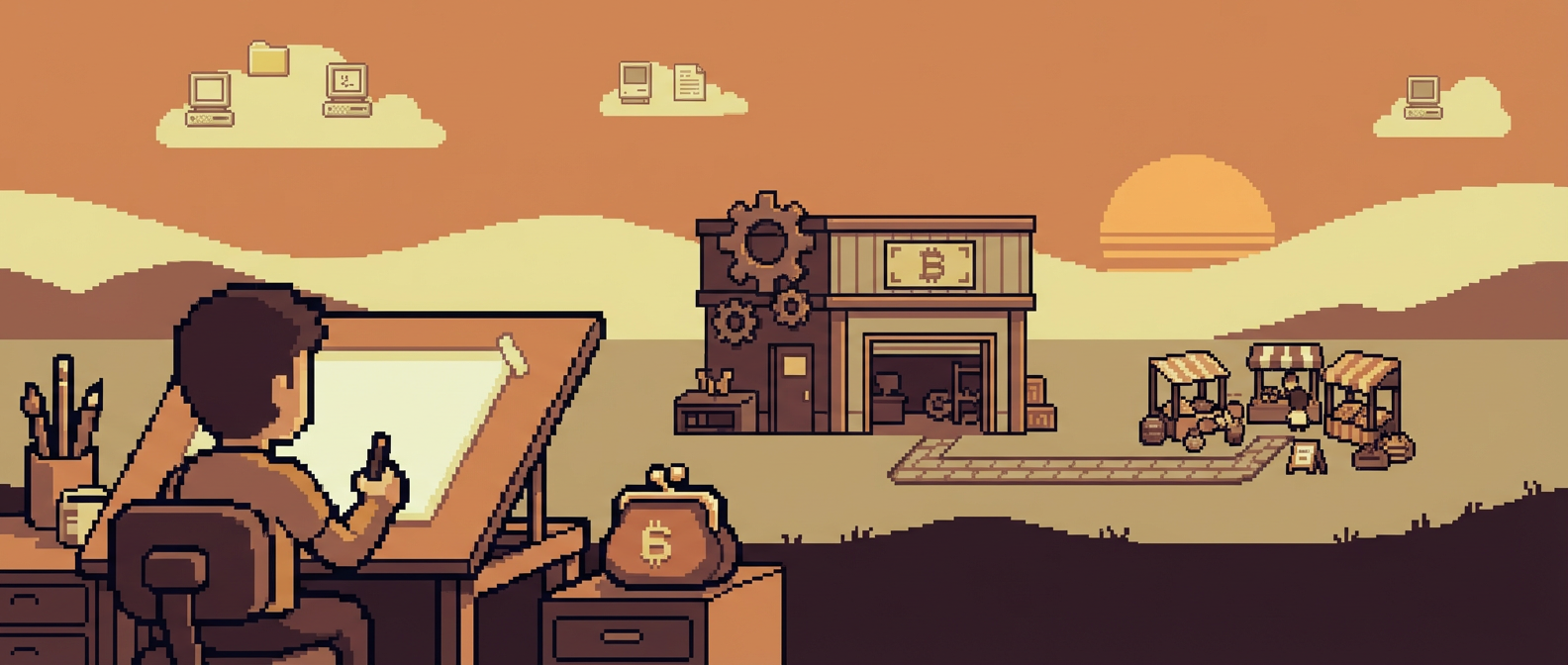
This disparity reveals a fundamental flaw in the attention economy model that now dominates digital culture. While platforms extract value from aggregated user data and advertising revenue, the creators whose work drives engagement receive fractional compensation. The math is brutal: an artist needs millions of plays to generate what a single physical album sale once provided. This system has effectively turned most independent artists into content creators for corporate platforms rather than sustainable creative professionals.
The consequences go beyond individual financial hardship. When artists can’t earn from their primary creative output, they have to divert energy toward other revenue streams, often diluting their artistic focus. The streaming model has created a cultural ecosystem where artistic merit becomes secondary to algorithmic compatibility and playlist placement politics.
Direct Connection as Economic Revolution
Against this backdrop, platforms that facilitate direct artist-to-audience relationships have emerged as lifelines for independent creators. Services like Bandcamp and Patreon represent a fundamental shift away from the extractive intermediary model toward what might be called relational economics. These platforms recognize that sustainable creative work requires ongoing support rather than transactional consumption.
The subscription and patronage models these platforms enable tap into something deeper about how art actually works in people’s lives. Rather than treating creative work as commodity units to be consumed and discarded, they acknowledge the ongoing relationship between artist and audience. Supporters become invested in the creative process itself, not just its outputs. This shift turns fans from passive consumers into active participants in an artist’s creative sustainability.
What makes these models particularly powerful is their recognition of art’s true value. Unlike streaming platforms that compete on convenience and catalog size, direct-support platforms compete on intimacy and creative freedom. Artists can experiment, fail, and develop without the pressure of algorithmic optimization. The economic relationship aligns with the creative relationship, creating conditions where artistic risk-taking becomes financially viable rather than financially destructive.
The Spatial Squeeze on Creative Communities
While digital platforms reshape how art circulates, physical space remains crucial for creative production. The ongoing displacement of artists from urban centers because of rising studio costs represents more than individual hardship. It threatens the collaborative ecosystems that have historically driven artistic innovation. When artists can no longer afford to work near each other, the informal networks of critique, collaboration, and mutual support that fuel creative communities begin to dissolve.
This spatial displacement creates a cascade of cultural consequences. Emerging artists lose access to the informal mentorship and peer learning that affordable studio districts once provided. Established artists find their practices constrained by the economic pressure to constantly produce marketable work rather than taking the creative risks that long-term studio access once made possible. The result is a cultural scene increasingly dominated by artists with independent wealth or commercial viability, narrowing the diversity of perspectives and approaches.
Cities lose more than individual artists in this process. The creative districts that emerge organically around affordable studio space work as cultural research and development zones, generating innovations that eventually influence mainstream culture. When these spaces disappear, cities effectively outsource their cultural development to more affordable locations, often losing the economic and social benefits that creative communities provide.
Alternative Infrastructures and Institutional Innovation
In response to both digital platform limitations and spatial displacement, alternative support structures have begun to multiply. Artist residency programs have evolved beyond their traditional role as temporary retreats to become essential infrastructure for independent practice. These programs provide not just space and time, but also the kind of institutional support that enables artists to develop ambitious projects without commercial pressure.
The growth of residency programs reflects a broader recognition that artistic innovation requires different conditions than commercial production. While galleries and streaming platforms optimize for immediate market response, residencies optimize for creative development and risk-taking. This shift toward process-oriented support acknowledges that the most significant artistic contributions often require sustained exploration rather than quick turnaround.
These alternative institutions also work as laboratories for new economic models. Many residencies now include mentorship programs, professional development, and connections to collectors and curators, creating pathways to sustainability that bypass traditional gatekeepers. The most innovative programs recognize that supporting artists means addressing the full spectrum of professional challenges, from creative development to economic viability.
Technology’s Double Edge: Authentication and Automation
Recent technological developments present both opportunities and challenges for independent artists. The dramatic rise and fall of NFT speculation highlighted the art world’s complicated relationship with technological innovation. While the speculative bubble burst predictably, the underlying blockchain technology for provenance tracking and authenticity verification continues to offer practical benefits for artists concerned about unauthorized reproduction and attribution.
At the same time, artificial intelligence tools for image generation have sparked fundamental questions about creativity and authorship that go far beyond technology. These tools force reconsideration of what counts as original artistic work and whether human intentionality remains essential to artistic value. For independent artists, AI presents both creative possibilities and existential challenges, offering new tools while potentially devaluing traditional skills.
How these tensions resolve will likely shape the future of independent artistic practice. Artists who can integrate technological tools while maintaining distinctive creative voices may find new competitive advantages. Those who resist technological integration entirely may find themselves increasingly marginalized. The key lies in understanding technology as a tool for artistic expression rather than a replacement for artistic vision.
The transformation of independent art economics reflects broader shifts in how creative work is valued and sustained in digital culture. As traditional gatekeepers lose influence and new support models emerge, artists have unprecedented opportunities to define the terms of their own practice. Success in this environment requires not just artistic talent but also entrepreneurial creativity and community building skills. For those willing to engage with these challenges, the current moment offers the possibility of more authentic and sustainable creative careers than the traditional art world ever provided. The conversation continues to evolve across platforms like Artsy contemporary art and Hyperallergic art criticism, where artists, critics, and collectors grapple with these fundamental questions about art’s place in contemporary culture.