
The Lost Art of Deep Listening
Most artist interviews are terrible. They follow the same tired formula: softball questions about inspiration, predictable answers about creative process, and maybe a throwaway line about upcoming projects. We’ve been conditioned to accept this shallow exchange as sufficient, but it’s doing both artists and audiences a disservice. The best artist interviews work like archaeological expeditions, uncovering layers of meaning that transform how we experience the work itself.

Take David Lynch’s conversations with Chris Rodley in “Lynch on Lynch.” The filmmaker’s seemingly cryptic responses about meditation and consciousness actually give you a roadmap to understanding “Mulholland Drive.” Or look at Ursula K. Le Guin’s interviews with Jonathan White, where her discussions of Taoism illuminate the political undercurrents in “The Dispossessed.” These aren’t casual chats about artistic technique. They’re master classes in connecting philosophy to practice, revealing how an artist’s worldview shapes every creative decision.
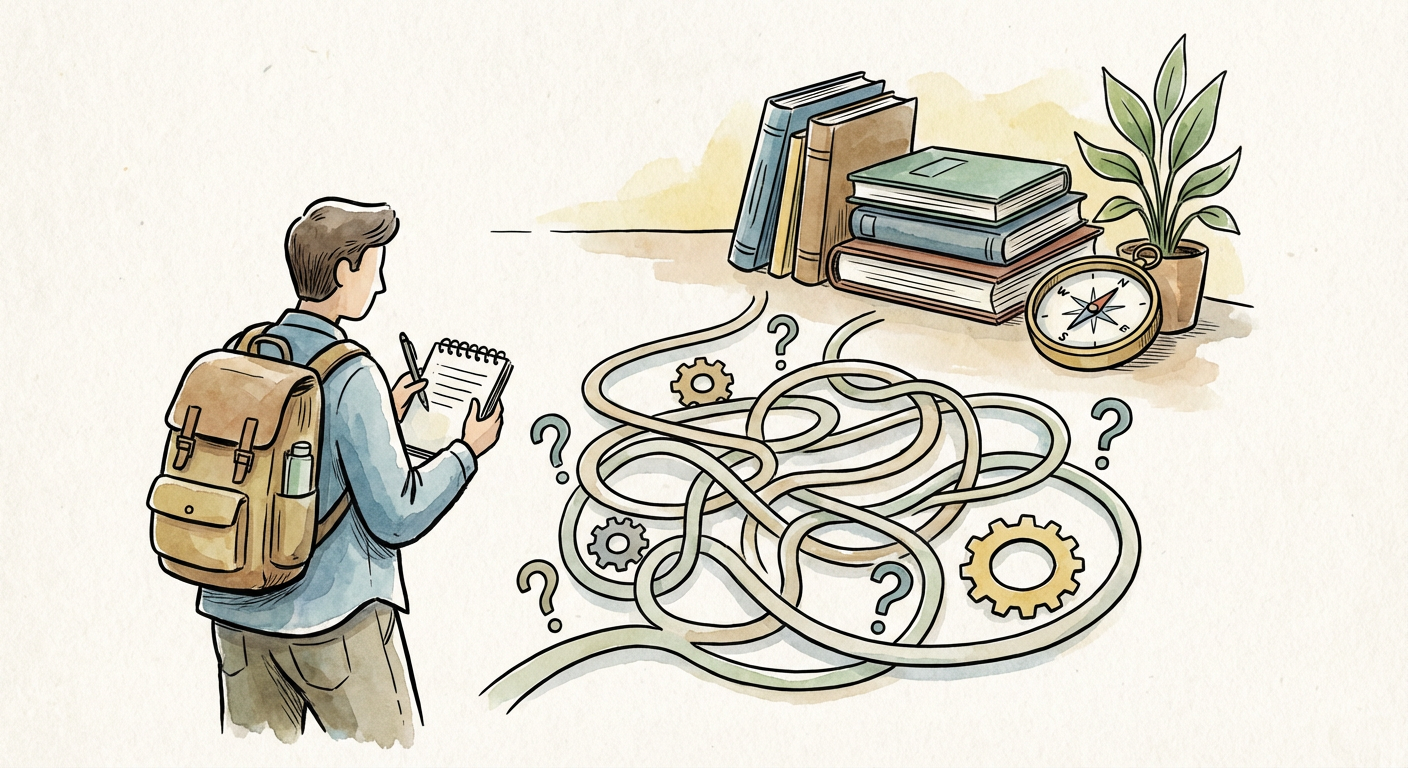
The problem is that we’ve forgotten how to listen for these connections. We skim for quotes rather than diving deep for understanding. We focus on biographical details instead of intellectual frameworks. Most frustratingly, we treat interviews as promotional tools rather than critical documents that can fundamentally shift our relationship with an artist’s entire body of work.
Reading Between the Lines: What Artists Actually Reveal
Artists rarely say exactly what they mean in interviews, and that’s often the most interesting part. Patti Smith might discuss her relationship with Robert Mapplethorpe in terms of artistic collaboration, but she’s actually outlining a theory of creative symbiosis that explains why “Horses” sounds like visual art translated into sound. When Kara Walker talks about her silhouettes as “beautiful and horrific,” she’s not just describing aesthetic choices. She’s articulating a theory of how beauty can be weaponized to make uncomfortable truths more palatable.
The key is learning to identify these conceptual threads and follow them across multiple interviews. Ari Aster’s repeated mentions of anxiety and control in interviews about “Hereditary” and “Midsommar” aren’t throwaway psychological observations. They’re clues to understanding how his films work as elaborate exercises in viewer manipulation, designed to make audiences complicit in the horror they’re witnessing.
Sometimes the most revealing moments happen when artists contradict themselves across different interviews. Werner Herzog’s shifting explanations for his documentary methods reveal someone working through ethical questions about truth and fiction in real time. These inconsistencies aren’t flaws in the interview process. They’re evidence of an active creative mind wrestling with complex ideas that can’t be reduced to simple explanations.
The Historical Context Game
Great artist interviews become exponentially more valuable when you understand what was happening in the broader cultural moment. Reading James Baldwin’s 1960s interviews about “Another Country” without understanding the Civil Rights Movement is like trying to understand a song while wearing noise-canceling headphones. The external pressures, the political climate, and the artistic conversations of the time all flow into how an artist articulates their vision.
This is where interview archaeology gets really exciting. Cindy Sherman’s early interviews about her “Untitled Film Stills” series take on new dimensions when you recognize her responding to 1970s feminist film theory, particularly Laura Mulvey’s writing about the male gaze. Sherman wasn’t just making conceptual photography. She was participating in a larger conversation about representation and power that was reshaping how we understand visual culture.
The same principle applies to contemporary artists. Kendrick Lamar’s interviews about “To Pimp a Butterfly” need to be read alongside the Black Lives Matter movement, just as Jordan Peele’s discussions of “Get Out” gain depth when understood within conversations about post-racial mythology in Obama-era America. Artists are always in dialogue with their historical moment, even when they’re not explicitly acknowledging it.
Building Your Interview Reading Practice
Developing a sophisticated approach to artist interviews requires treating them as primary source documents rather than entertainment. Start by reading interviews chronologically when possible. Watch how an artist’s language evolves, how their concerns shift, and how external events influence their self-presentation. Björk’s interviews from the “Homogenic” period reveal a completely different theoretical framework than her discussions during “Biophilia,” tracking her evolution from emotional expressionism to scientific inquiry.
Look for recurring themes and obsessions across different interview contexts. When Terrence Malick’s collaborators consistently describe his interest in natural light and spontaneous moments, they’re not just sharing production anecdotes. They’re outlining a philosophical approach to filmmaking that treats cinema as a form of environmental documentation. These patterns become visible only when you read multiple sources rather than relying on isolated quotes.
Pay special attention to how artists discuss their influences and artistic lineages. When Solange Knowles references Sun Ra and Alice Coltrane in interviews about “When I Get Home,” she’s not just name-dropping jazz legends. She’s positioning her work within specific traditions of experimental Black music that prioritize spiritual exploration over commercial appeal. These references work as interpretive keys that unlock new layers of meaning in the work itself.
Why This Matters for Your Artistic Experience
Understanding how to read artist interviews deeply transforms your relationship with art from passive consumption to active investigation. You start noticing visual references you missed before, hearing musical connections that weren’t obvious, and recognizing thematic concerns that span an artist’s entire career. It’s like switching from watching a movie to analyzing how it was constructed, except you’re doing it with the artist as your guide rather than working completely alone.
This approach also protects you from lazy critical consensus. When everyone agrees that a particular artist is a genius or a fraud, interview evidence often reveals a more complex reality. The widespread dismissal of Lana Del Rey’s early work looks different when you read her interviews about American mythology and performed femininity alongside feminist theory. Similarly, the uncritical praise for certain contemporary artists becomes more suspect when their interviews reveal shallow engagement with the concepts they claim to be exploring.
Most importantly, treating artist interviews as serious intellectual documents helps you develop your own critical voice. You learn to ask better questions about the art you encounter and to recognize when your initial reactions might be missing important layers of meaning. You become a more sophisticated audience member, which ultimately makes the entire artistic ecosystem more robust and demanding.
The next time you encounter an artist interview, resist the urge to skim for highlights or biographical details. Instead, treat it as a treasure map leading to deeper understanding of work you thought you already knew. Start with an artist whose work genuinely confuses or challenges you, then read everything they’ve said about their practice across different time periods and contexts. I guarantee you’ll discover connections and meanings that completely change how you experience their art, and more importantly, you’ll develop tools for unlocking similar insights with any artist who captures your attention.